Craft Beer vs Industrial: Stunning Reasons It’s Worth It.
Article Structure

The short answer from many enthusiasts is yes, craft beer often justifies the higher price. The longer answer is more interesting. It involves taste, ingredients, freshness, culture, and how your money moves through the supply chain.
What Do “Craft” and “Industrial” Beer Mean?
Before comparing, it helps to define the two categories. The lines can blur, but in broad terms they follow clear patterns in scale, methods, and goals.
Craft Beer: Small, Independent, Ingredient-Focused
Craft breweries tend to be small or medium-sized businesses. They work with shorter batches, experiment with styles, and keep control of recipes in-house. Ownership is often local, and the people brewing the beer usually live near the people drinking it.
Many craft brewers focus on classic ingredients: malted barley, hops, yeast, and water. Some add fruit, spices, or coffee, yet the base remains grain and real hops rather than flavor extracts. The goal is flavor and character first, efficiency second.
Industrial Beer: Huge Scale, Consistent Above All
Industrial breweries produce beer by the millions of liters. Their main objective is global consistency. A can of their lager should taste identical whether you buy it in a small gas station or in a big stadium, in January or July.
To keep costs low, industrial producers often use cheaper fermentable sources such as corn or rice along with barley. They might rely more on hop extracts and advanced filtration that strips out some flavor but extends shelf life and clarity.
Key Differences at a Glance
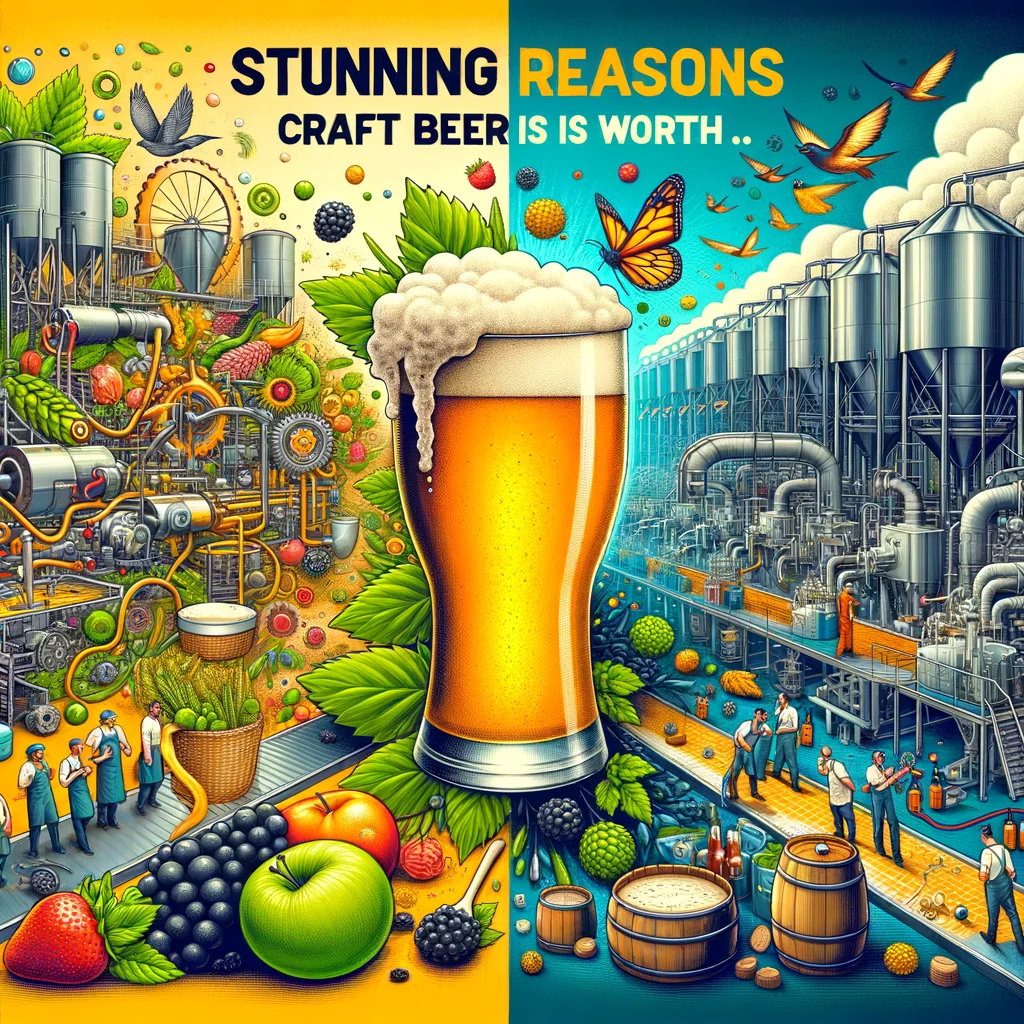
The contrast between craft and industrial beer becomes clear when you look at how each side handles ingredients, taste, and business priorities.
| Aspect | Craft Beer | Industrial Beer |
|---|---|---|
| Scale | Small to medium batches | Mass production at huge volume |
| Ingredients | High grain content, real hops, fewer adjuncts | More corn/rice, hop extracts, cost-driven choices |
| Flavor | Wide range, strong character, seasonal styles | Mild, clean, built for broad appeal |
| Freshness | Shorter shelf life, often local and fresh | Long shelf life, long-distance shipping |
| Price | Higher per bottle or can | Cheaper, frequent discounts |
| Ownership | Often independent or local | Usually multinational corporations |
Both sides have a place. Industrial beer offers predictable refreshment at a low price. Craft beer speaks to drinkers who want more flavor, variety, and connection to the people behind the product.
Reason 1: Flavor That Actually Stands Out
Flavor is the main reason fans praise craft beer. Where many industrial lagers share a light, grainy character, craft breweries explore a huge range of styles and ingredients that change what beer can taste like.
Richer Malt and Real Hops
Craft brewers usually build recipes around a strong malt backbone. You feel it in a nutty brown ale or a chocolate-heavy stout. They use real hop flowers or pellets, which add citrus, pine, tropical fruit, or herbal notes that survive into the glass.
Industrial lagers often keep the grain bill light and neutral. The aim is easy drinking over standout flavor. That style works if you want a cold, simple drink after mowing the lawn, but it can seem flat if you expect layers of taste.
Style Variety and Seasonal Releases
Walk into a craft-focused bar and you might see a tart raspberry sour next to a smoky porter and a hazy IPA bursting with mango aroma. Many breweries release seasonal or one-off beers: a pumpkin ale in October, a crisp pilsner in summer, a spiced winter warmer in December.
This variety keeps drinking experiences fresh. A group of friends can share a flight, compare notes, and discover which styles suit their tastes instead of defaulting to one generic lager.
Reason 2: Fresher Beer, Shorter Journeys
Freshness matters more than many drinkers realize. Hops fade with time. Oxidation slowly dulls malt character. Large producers fight this with advanced packaging, but long distribution chains still add weeks or months.
Local Production Means Shorter Time to Glass
Craft beer often travels shorter distances. A pale ale brewed in your city might go from fermenter to your glass in a few weeks. Aromas stay sharper, and the beer feels brighter and more alive.
Imagine a freshly canned IPA that smells like passion fruit and pine as soon as you crack it open. That intensity drops as weeks pass. Drinkers who chase fresh releases can clearly taste the difference between a new batch and one that sat warm in the back of a store.
Industrial Shelf Stability vs. Lively Flavor
Industrial beer companies design recipes and processes to survive harsh storage conditions, long truck journeys, and slow turnover in small shops. This focus on stability supports a consistent product but often reduces flavor peaks.
Craft brewers accept a shorter shelf life in exchange for more vivid taste. For drinkers who value freshness, that trade feels worthwhile.
Reason 3: Ingredients You Can Understand
Read the labels. Many craft cans or bottles list grains, hop varieties, and sometimes yeast strains. That level of detail reflects pride in raw materials and helps drinkers learn what they like.
Less Cost-Cutting, More Flavor-Building
Craft breweries usually spend a higher share of their budget on malt and hops. A double IPA from a small brewery might use several hop additions during the boil, a hefty dry-hop, and a complex mix of specialty malts. Every step adds cost but also adds flavor.
Industrial beer recipes often lean on adjuncts such as rice and corn to lower costs and lighten body. These ingredients are not “bad” on their own, yet they reduce grain depth. The result is a clean but less exciting flavor.
Transparency and Curiosity
Craft brewers rarely hide what they use. Many even share base recipes on their websites or in taproom conversations. This culture of openness helps drinkers build a taste memory. You might notice you enjoy beers with Citra hops or with roasted barley and then seek those out.
Industrial brands focus more on slogans and image than on hop varieties or mash temperatures. For casual drinkers that may be enough. For curious drinkers, it leaves questions unanswered.
Reason 4: Value Beyond the Price Tag
Craft beer usually costs more per bottle or can. That fact stops some shoppers at the shelf. Yet price is only one part of value. Experience, satisfaction, and impact matter as well.
Quality Over Quantity
Many craft drinkers choose to enjoy fewer beers with more character instead of a large quantity of bland ones. One 330 ml bottle of a rich imperial stout can feel like a dessert course. A single 440 ml hazy IPA can carry enough aroma and flavor for a full evening chat.
This shift changes drinking habits. Instead of chasing volume, the focus moves to tasting, sharing, and talking about what is in the glass.
Local Jobs and Community Impact
Spending on craft beer often supports local jobs: brewers, bar staff, delivery drivers, and designers. Many small breweries host events, live music, or charity nights. A taproom can act as a social hub where neighbors meet over shared tastes.
Industrial beer money mostly flows to large corporations and shareholders. The scale provides low prices and wide availability, but it rarely nourishes local culture in the same way a packed neighborhood taproom does on a Friday night.
Reason 5: Experimentation and Story
Part of the appeal of craft beer lies in the stories behind each brand and the constant wave of experiments that keep the scene dynamic.
Creative Recipes and Collabs
Craft brewers often play with new techniques: barrel-aging stout in whiskey casks, fermenting sours with wild yeast, or dry-hopping lagers for extra aroma. They run collaborations with other breweries, coffee roasters, or even chocolatiers.
For drinkers, this experimentation means frequent new releases and the joy of trying something genuinely different. You might remember the first time you tasted a salty gose with coriander, or a pastry stout that smelled like vanilla and caramel.
Human Faces, Real Stories
Many craft brands grow from one or two people brewing in a garage or a small warehouse. Their labels often carry personal stories, local landmarks, or inside jokes from the community. You feel like you support people rather than a faceless logo.
This sense of connection can deepen enjoyment. That IPA from a local brewery becomes more than a drink. It becomes a shared project that you see grow and improve release after release.
How to Choose Between Craft and Industrial Beer
Both types of beer have pros and cons. The best choice depends on mood, company, budget, and what you want from the experience.
Simple Steps to Decide What Fits Your Needs
A clear process helps you pick the right beer for a given moment instead of defaulting to habit. Use the following steps as a quick guide.
- Define your goal: refreshment, tasting, food pairing, or social sharing.
- Set a budget per person instead of per pack.
- Check freshness dates, especially on hop-forward craft beers.
- Match beer strength to the length of your evening and your tolerance.
- Mix both types: a solid industrial lager for casual sipping and a few craft cans for focused tasting.
This mix keeps gatherings flexible. Guests who want an easy drink can reach for the familiar label, while curious friends explore new flavors without pressure.
Signs a Craft Beer Is Worth the Extra Money
You can use some quick signals to judge if a craft beer on the shelf likely offers real value instead of flashy branding.
- Clearly printed packaging date, not just a best-before date.
- Specific hop or malt details on the label.
- Refrigerated storage in the shop, especially for IPAs and sours.
- Strong local reputation or recommendations from bartenders.
- Reasonable price for the style and strength, not just hype.
These clues reduce guesswork and help you find beers that deliver what they promise on the label. Over time you build your own internal list of trusted breweries and favorite styles.
So, Is Craft Beer Worth It?
For drinkers who care about flavor, freshness, and the story behind what they drink, craft beer usually earns its premium. It offers richer taste, greater variety, and a closer link to local producers. Industrial beer still has a strong role as an easy, affordable option for big parties, sports events, or simple refreshment.
The sweet spot for many people sits between the two. Keep a few reliable industrial lagers on hand for low-key nights. Add a rotating cast of craft beers for moments when you want to slow down, pay attention, and enjoy something special. That balance brings the best of both worlds into your fridge and your glass.